Investment insights










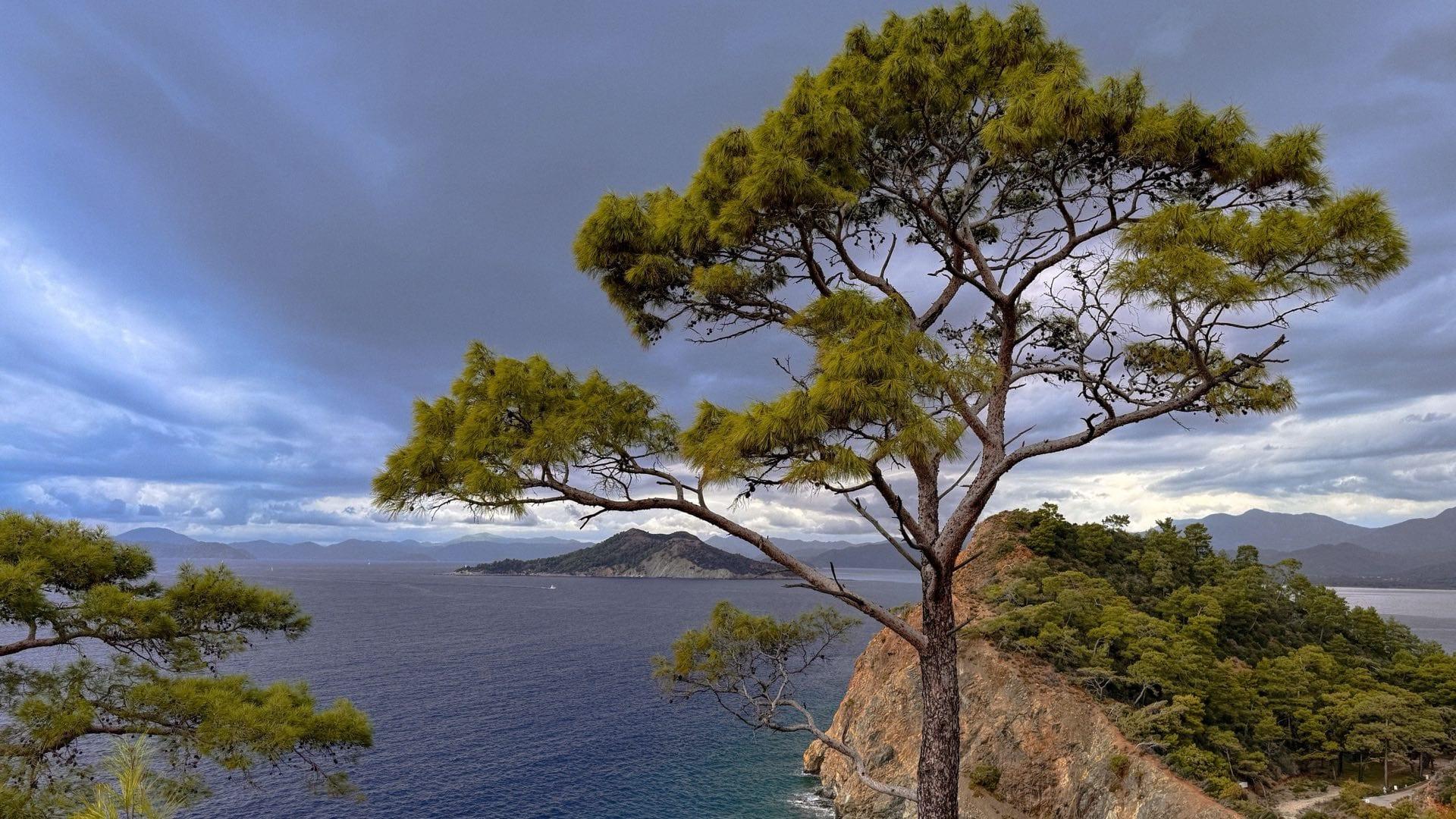
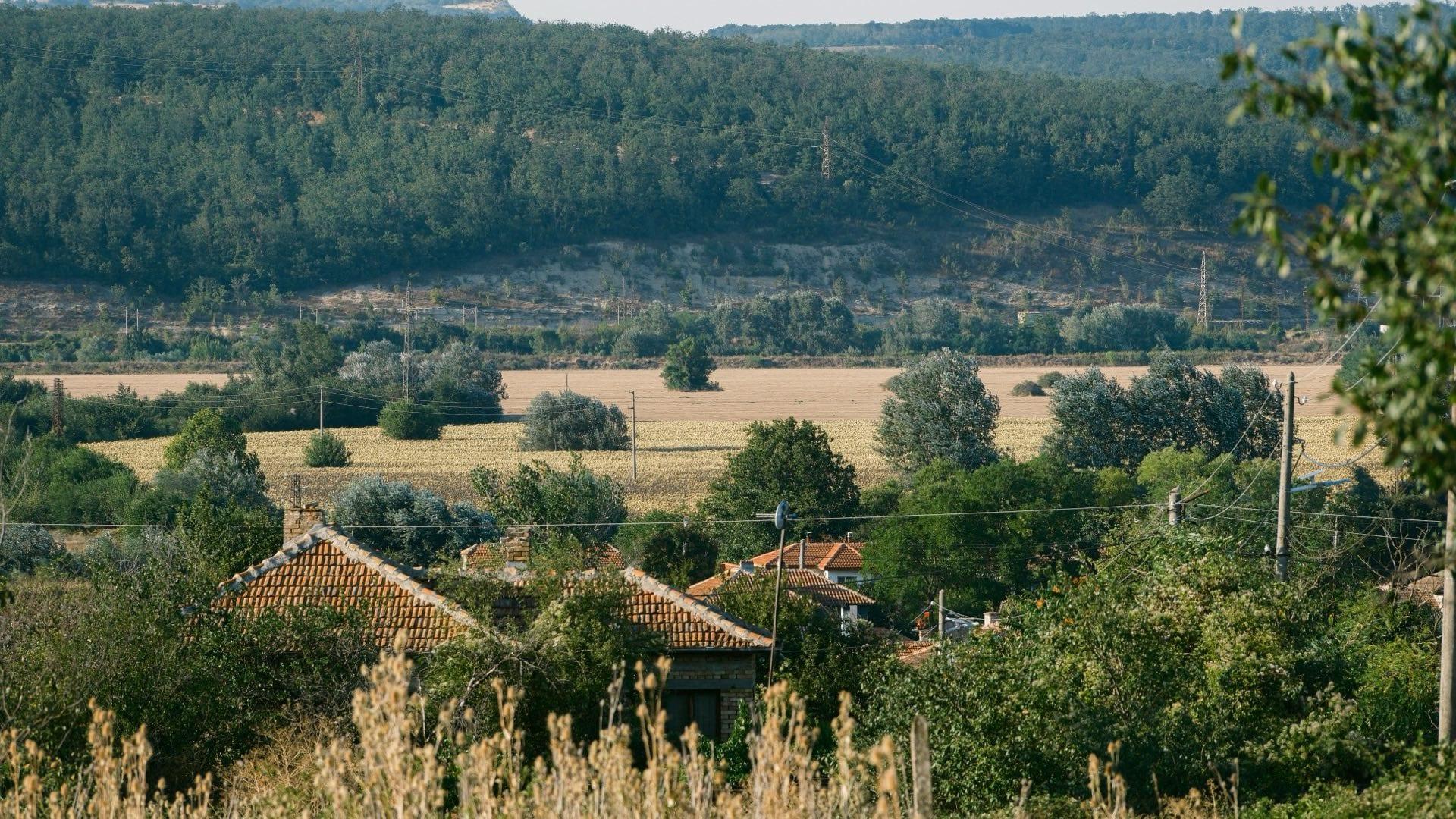
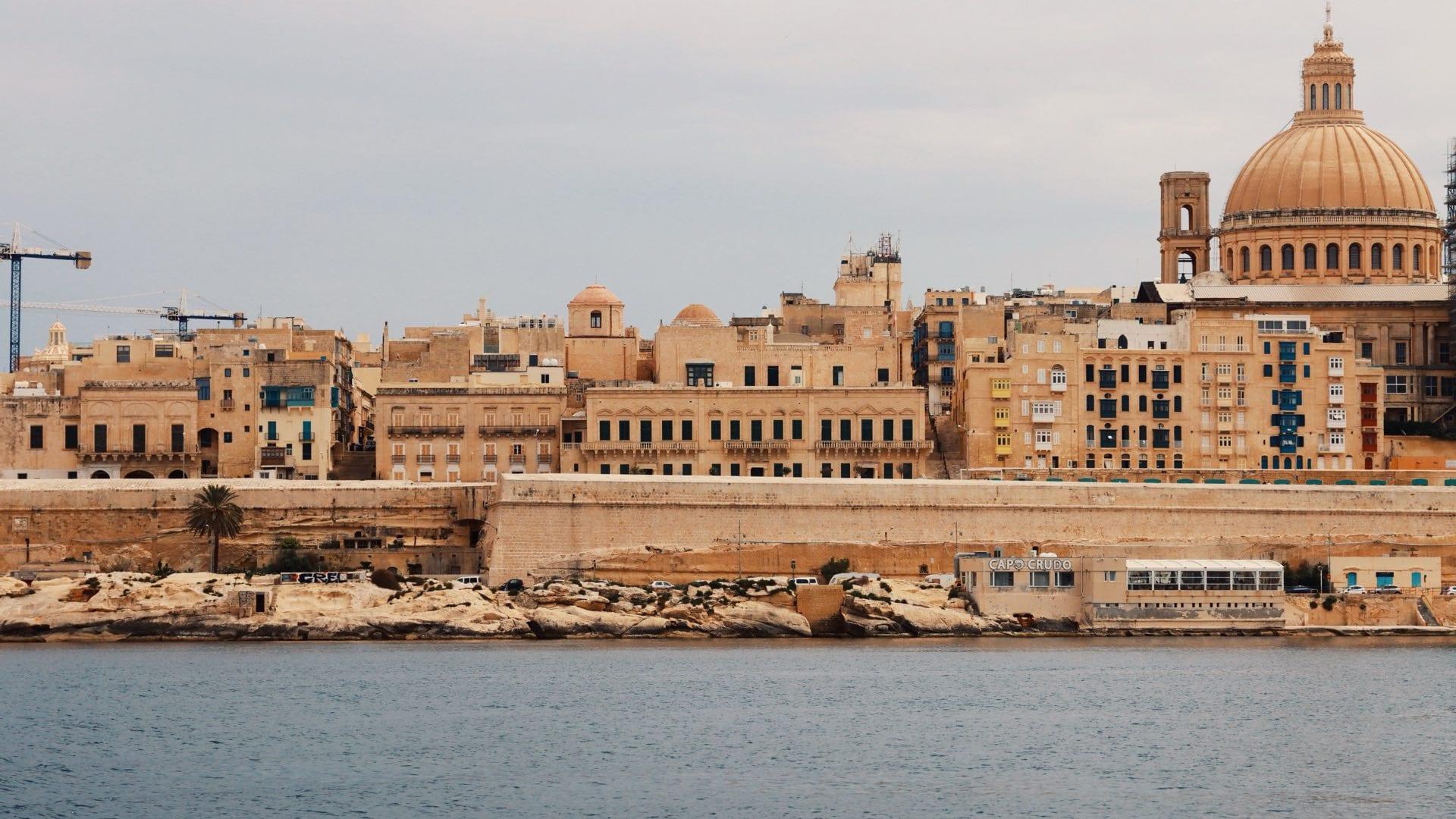
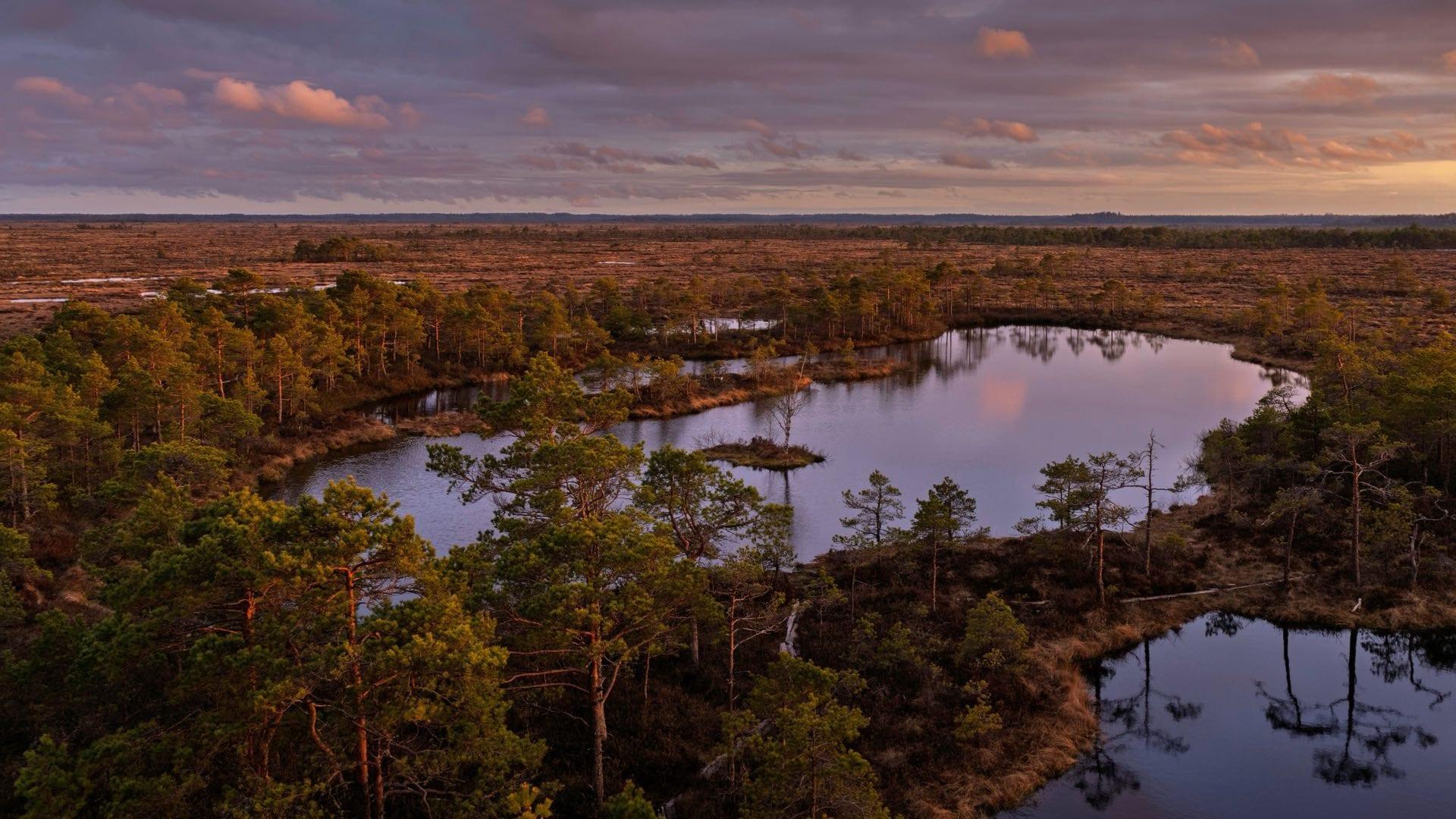


Country guides
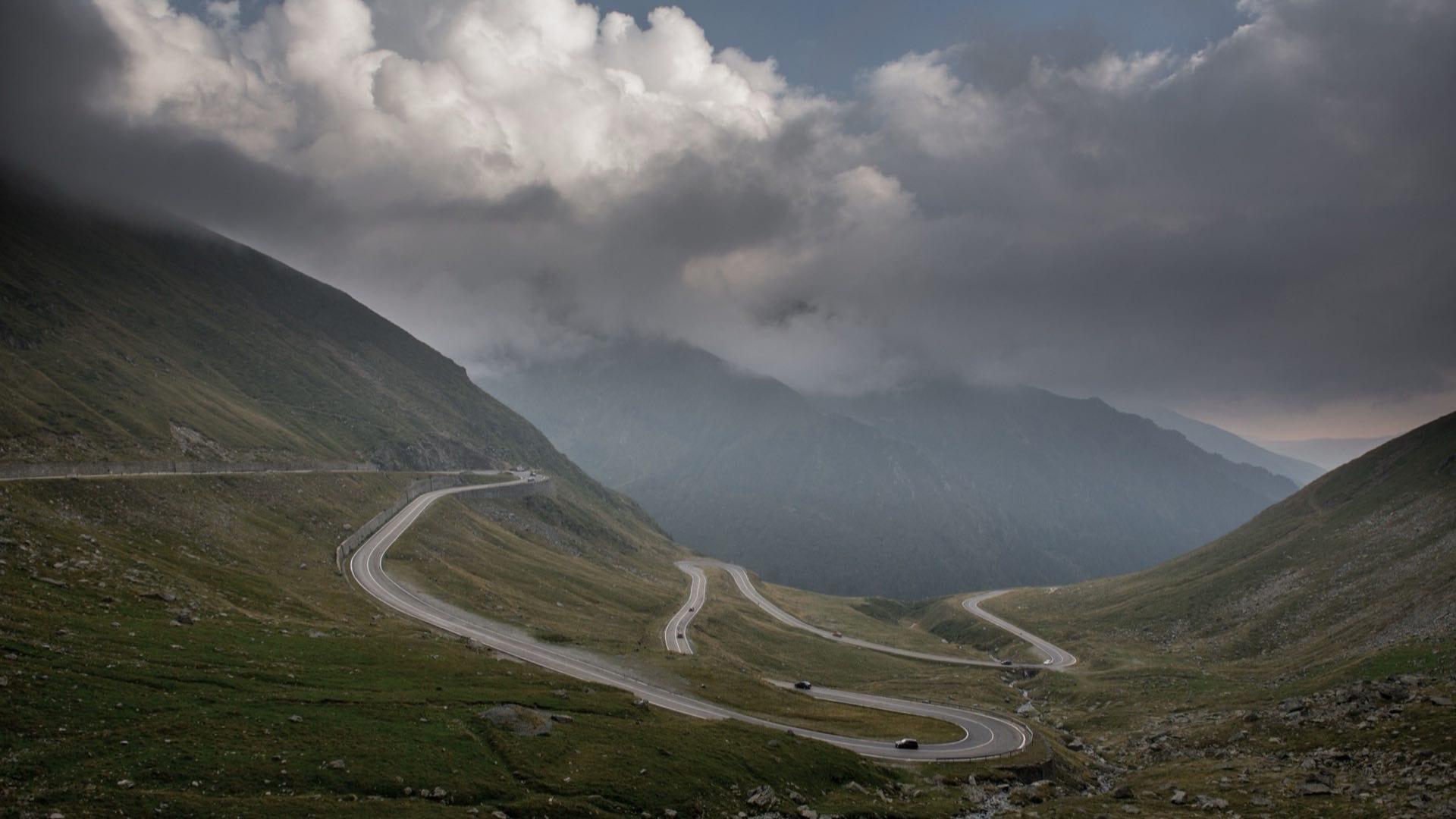
All guides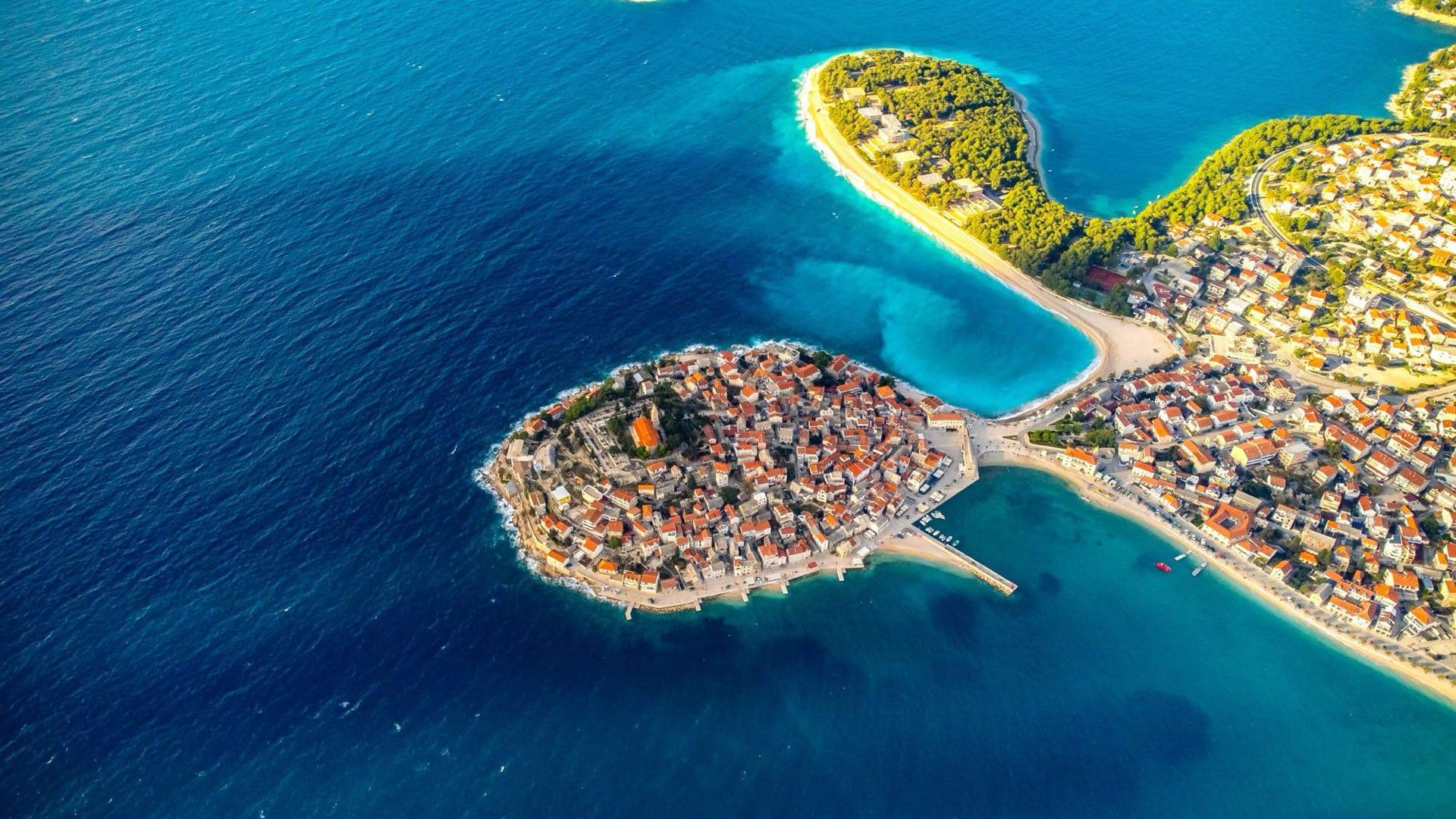 Country guide · 22 minCroatia Investor GuideEU member and eurozone economy with 110M+ tourist nights, 4.4% rental yields, and full open access for EU buyers — plus reciprocity-based access for citizens of the US, UK, Australia, and most Western markets, verified case by case against the Ministry of Justice listEU MemberEurozoneTourism-DrivenRead the guide
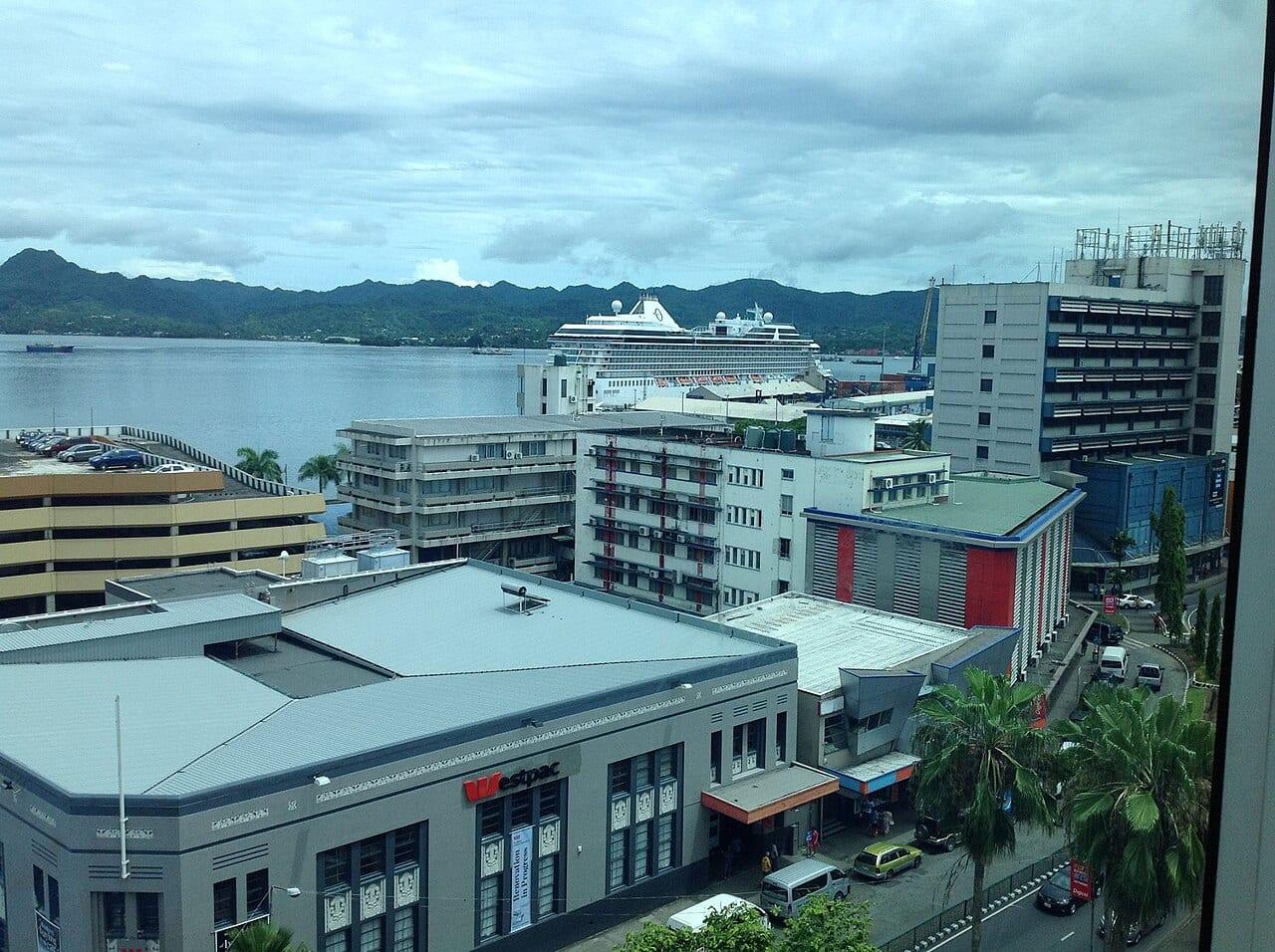 Country guide · 17 minComplete Investor Guide to Fiji PropertyUnderstand Fiji's foreign-ownership limits, native-land leasehold, and the South Pacific's premier resort-lifestyle market
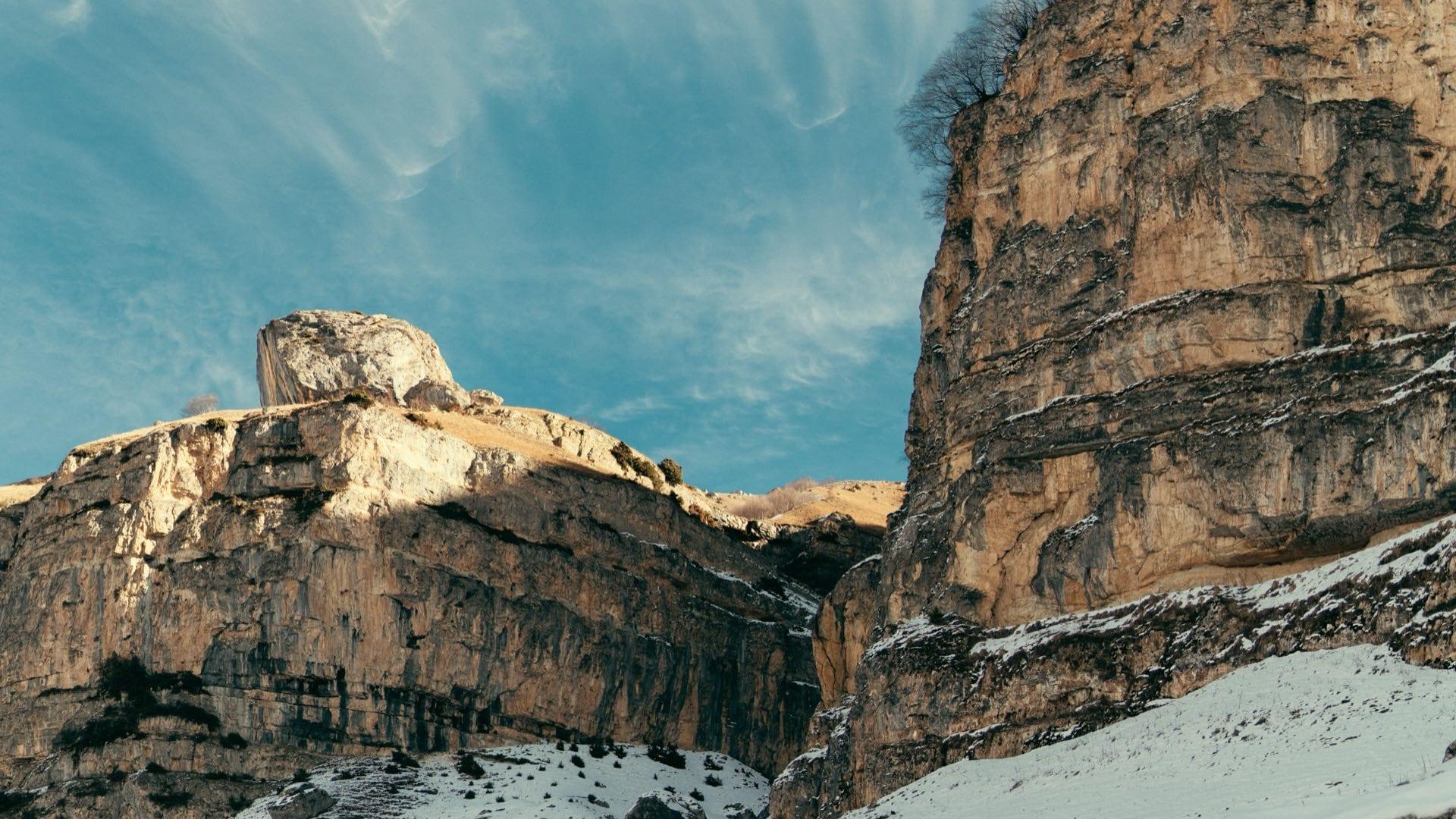 Country guide · 17 minComplete Investor Guide to Azerbaijani PropertyNavigate Baku's apartment market, land-ownership restrictions, and the Caspian region's emerging real-estate opportunity
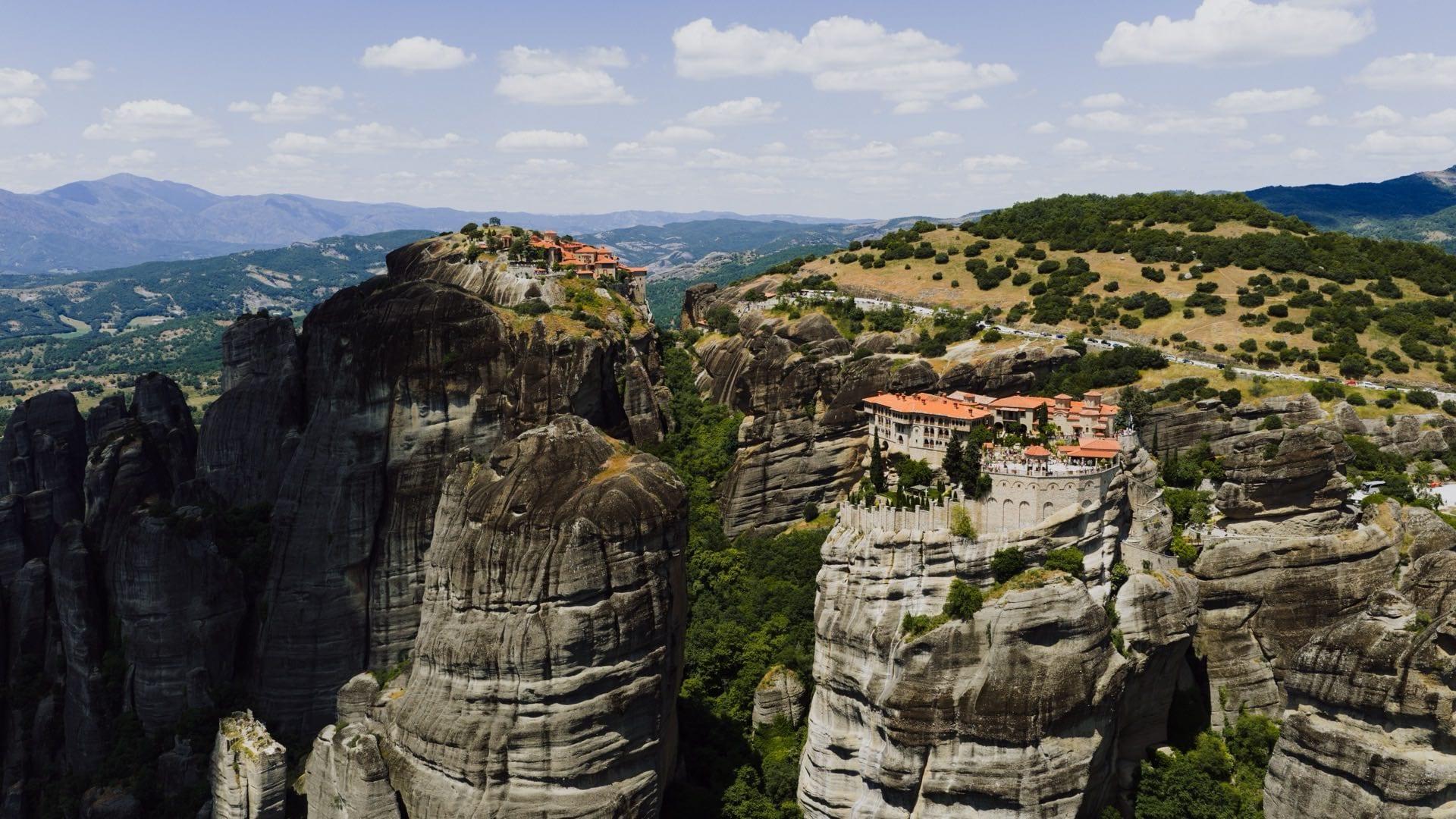 Country guide · 25 minGreece Investor GuideNavigate Greece's Golden Visa 2.0 — €250K-€800K tiered entry (lowest in the EU), 2026 capital gains + new-build VAT suspensions, Non-Dom €100K regime, and Europe's strongest tourism-driven yields
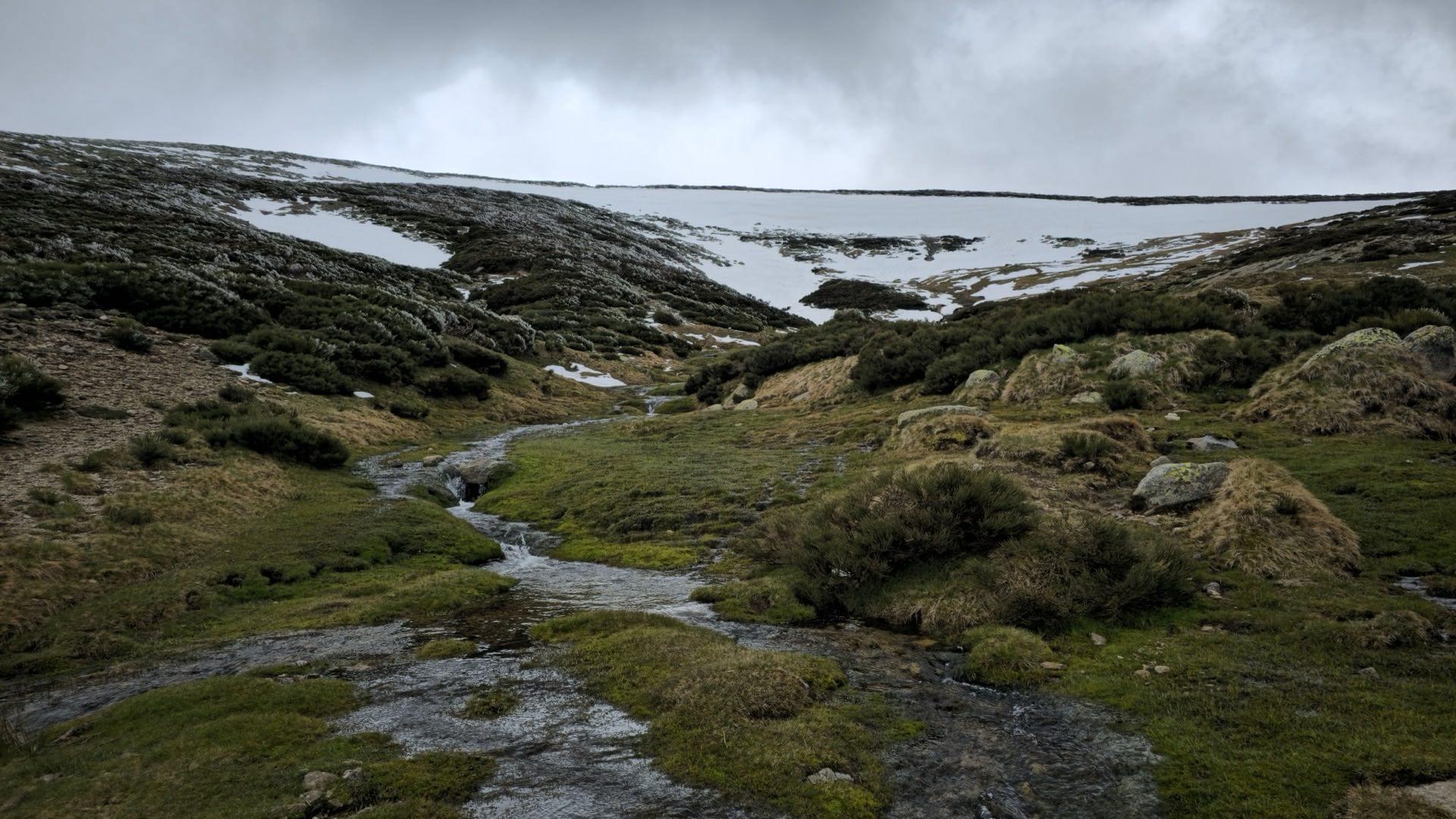 Country guide · 25 minSpain Investor GuideNavigate post-Golden-Visa Spain — strong yields, Eurozone-leading economic growth, and Europe's most attractive Mediterranean lifestyle market
Browse insights
Subscribe to the INTRIC newsletter
Curated market intelligence, new buying guides and the listings worth knowing about, across 70+ countries.
No spam, unsubscribe any time.
City and neighbourhood guides
View all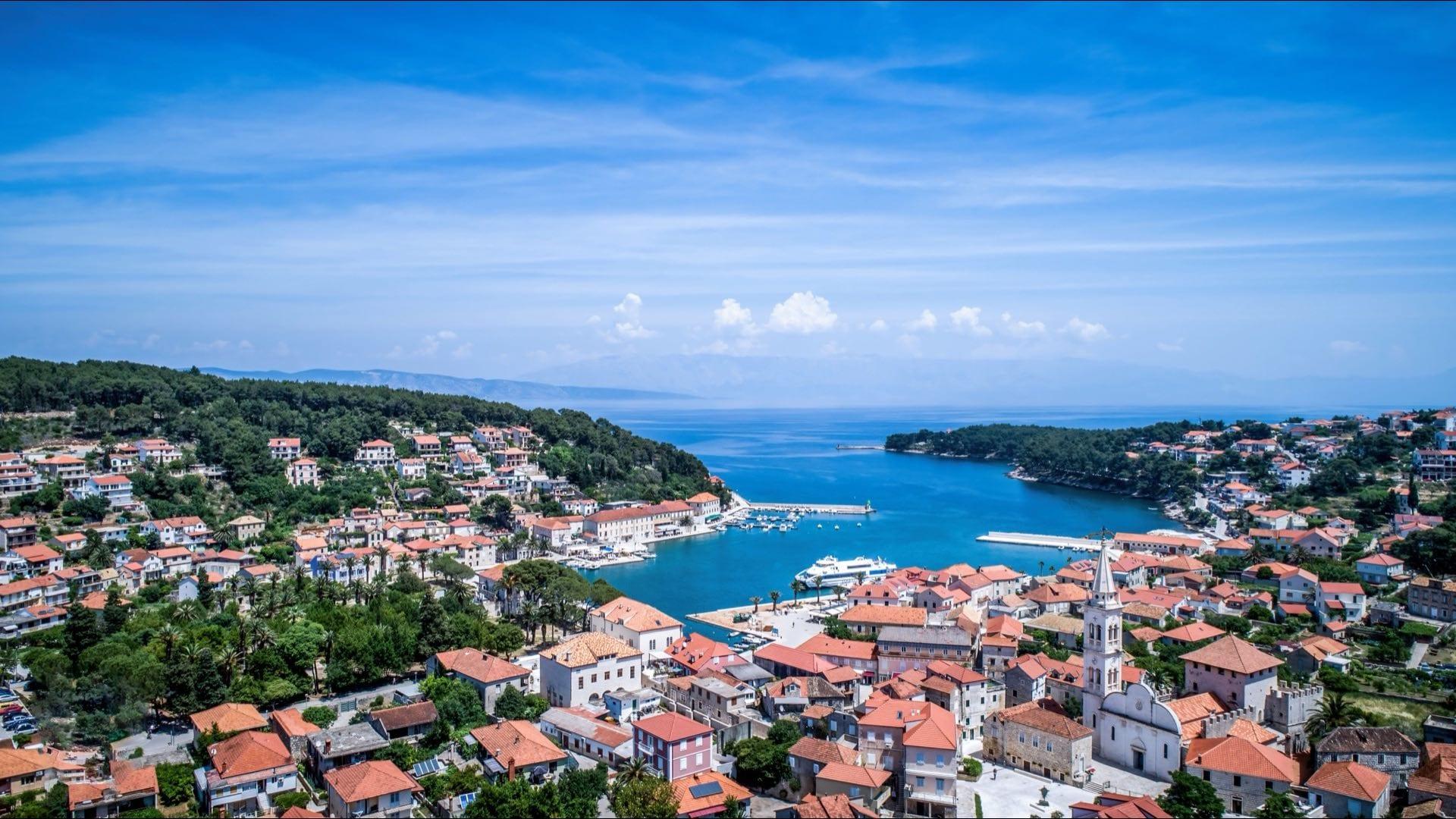 City guide · CroatiaHvarHvar is Croatia's glamour island, a sunlit Dalmatian destination where Hvar Town's Venetian piazza and Spanjola fortress sit above a yacht-filled harbour, and lavender fields and vineyards roll across the interior. It ranks among Croatia's most expensive markets alongside Dubrovnik, Opatija and Rovinj, with asking prices in Hvar municipality averaging around 4,530 EUR per m2 in 2026 and luxury seafront villas (200-350 m2) trading from roughly 1.5 to 6 million EUR. The Croatian islands carry a 15-25% per-m2 premium over the mainland, driven by limited buildable land and intense summer demand. Furnished stock dominates at over 75% of listings, as most homes double as short-term rentals. Island price growth, which ran double-digit in recent years, is now cooling to a more sustainable 3-7% for 2026. Gross yields are modest at roughly 3-3.5% given high values, but Hvar Town commands the strongest nightly rates and occupancy in the country. EU, EEA and Swiss buyers purchase freely; non-EU nationals buy via reciprocity with ministry approval. A 2025 annual property tax of 0.60-8 EUR per m2 applies.
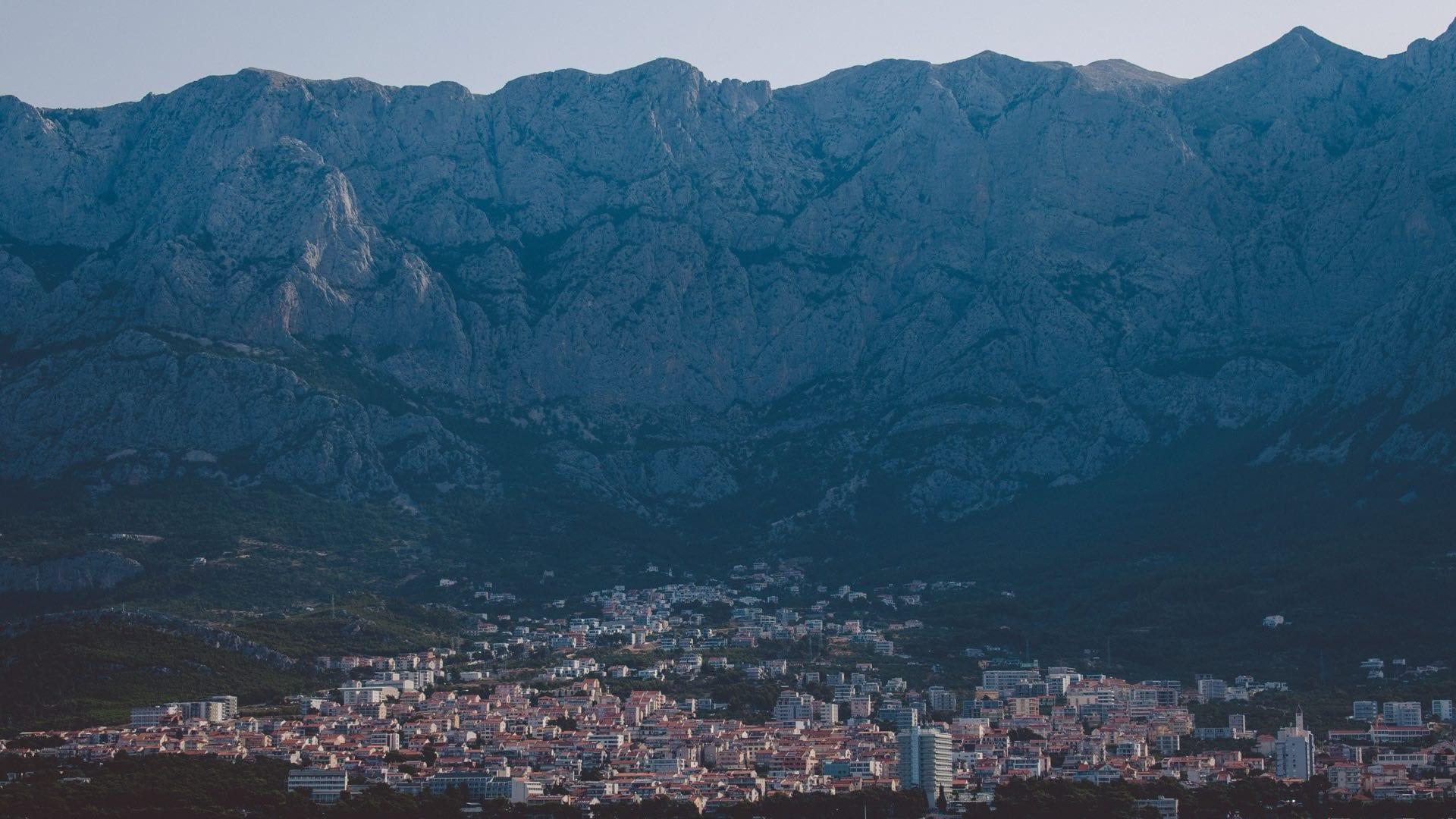 City guide · CroatiaMakarskaMakarska is the capital of the Makarska Riviera, a dramatic 60 km stretch of pebble beaches squeezed between the Adriatic and the towering Biokovo massif, about 90 minutes south of Split. Its palm-lined harbour, long Donja Makarska beach and pine-shaded promenade make it one of Dalmatia's premier beach-tourism markets. In 2025 Central Dalmatia averaged roughly €4,090/m², with Makarska-area apartments slightly below that on larger supply; first-row seafront apartments on the riviera start near €2,500/m² and prime new builds reach €4,500-5,500/m². Gross rental yields sit around 4-5%, supported by record 2025 visitor numbers and intense July-August occupancy that makes summer short-lets highly productive. Croatian prices are forecast to rise 4-7% in 2026, coastal towns at the upper end. EU, EEA and Swiss nationals buy on the same terms as Croatians; non-EU buyers acquire via the reciprocity principle with Ministry of Justice consent (1-6 months), with OECD-parity reforms approaching. Investors weigh Makarska's exceptional beach product and rental engine against pronounced seasonality. The town suits buyers wanting a high-occupancy beach-let or a sun-and-mountain lifestyle base in Central Dalmatia.
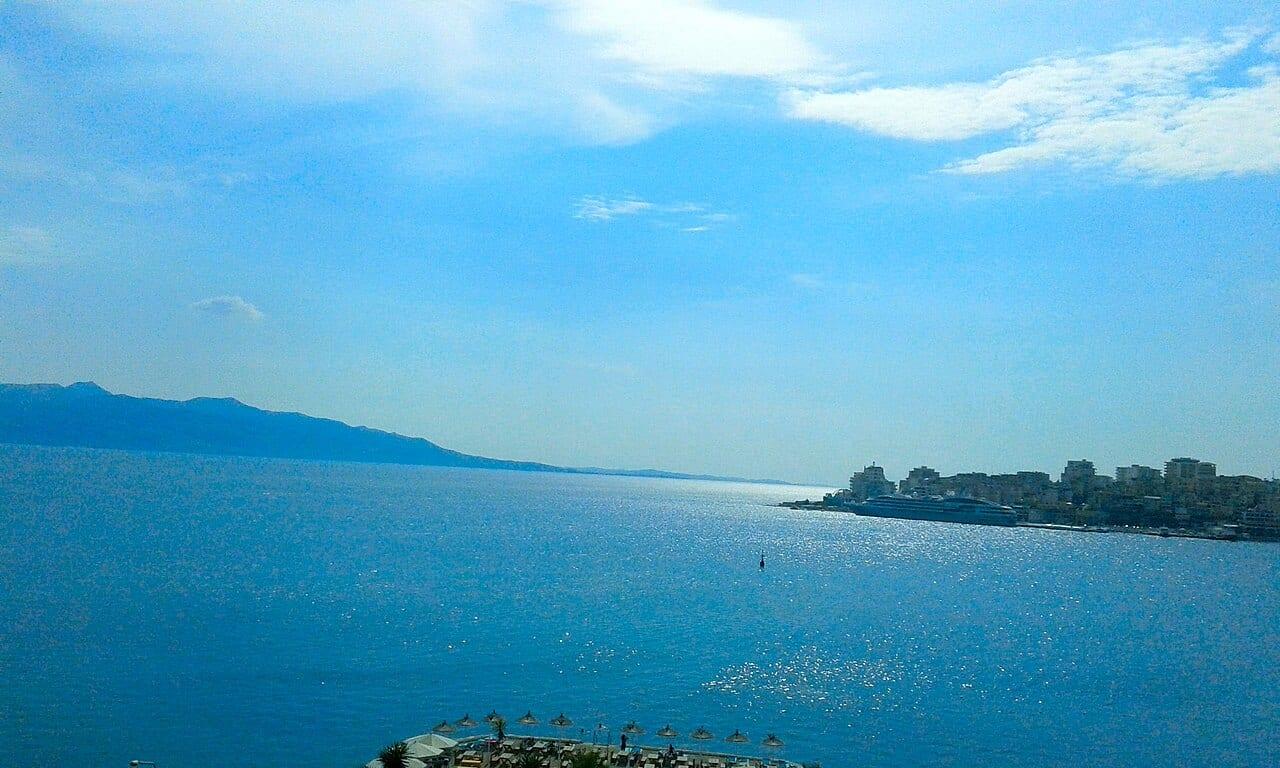 City guide · AlbaniaSarandaSaranda is the jewel of the Albanian Riviera, a horseshoe bay on the Ionian Sea looking across to the Greek island of Corfu and a market that has become one of the Mediterranean's fastest-rising coastal investment stories. Modern sea-view apartments are priced from around EUR 1,500 per square metre, with city-centre stock at EUR 1,600-1,800, sea-view units at EUR 2,200-3,000 and beachfront product topping EUR 3,000 per square metre, still a fraction of comparable coastlines in Greece, Croatia or Italy. The growth has been dramatic: Albanian coastal prices rose around 12% on average over the prior year, and some Saranda and nearby Ksamil pockets recorded 25-35% annual gains in 2025 on the back of intense seasonal tourism. Roughly 40% of buyers are foreigners, drawn by low entry prices and short-let yields of a strong 8-10%. The catalysts are concrete: the new Vlora International Airport opening for full commercial flights in 2026 and a planned Gjirokaster airport serving the south are expected to lift Riviera values by 15-25%, while Albania's EU candidacy adds a structural tailwind. Investors should weigh genuine upside against clear overheating risk in the hottest micro-markets.
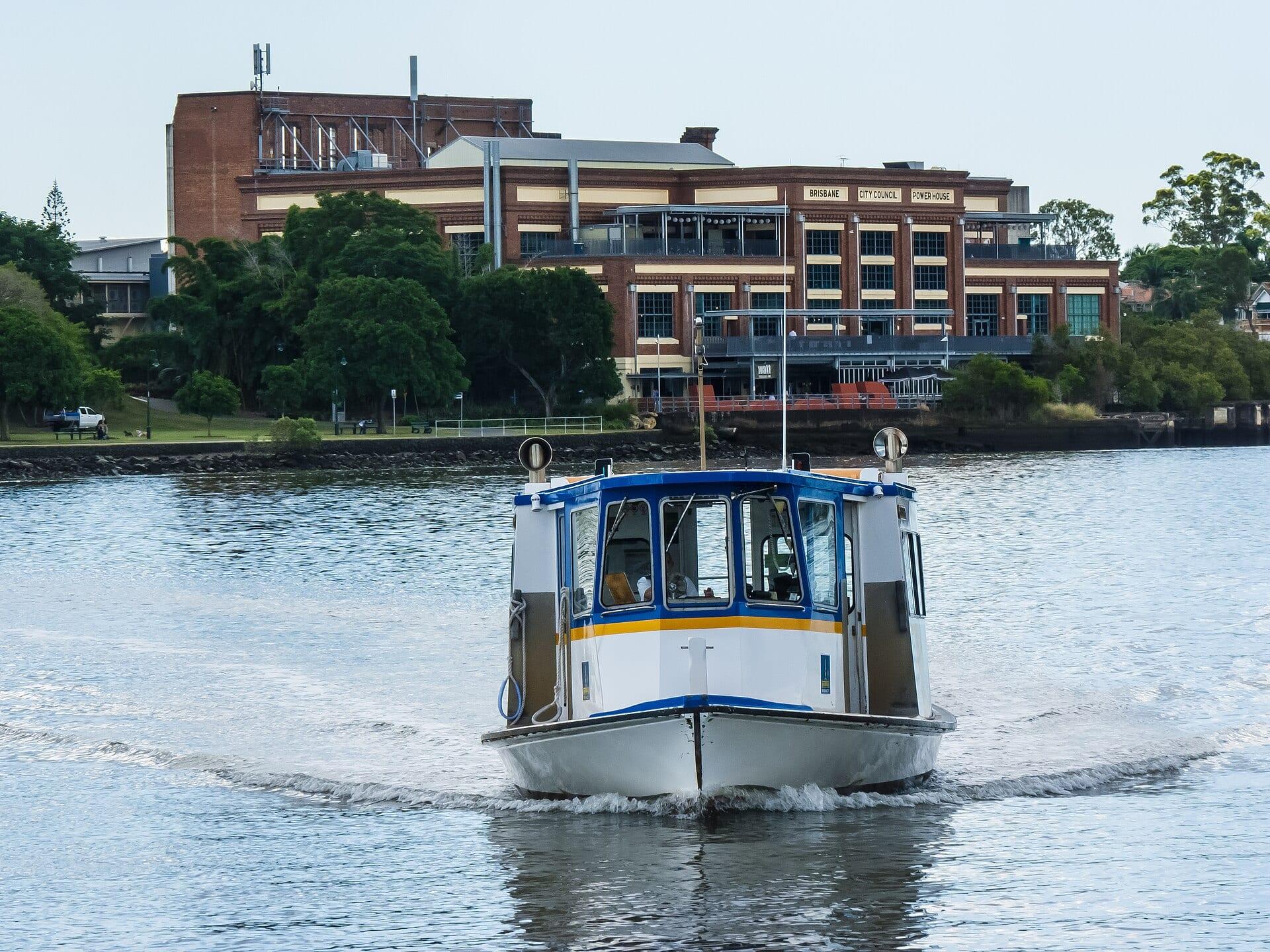 Neighbourhood · BrisbaneBulimba
Market insights
View all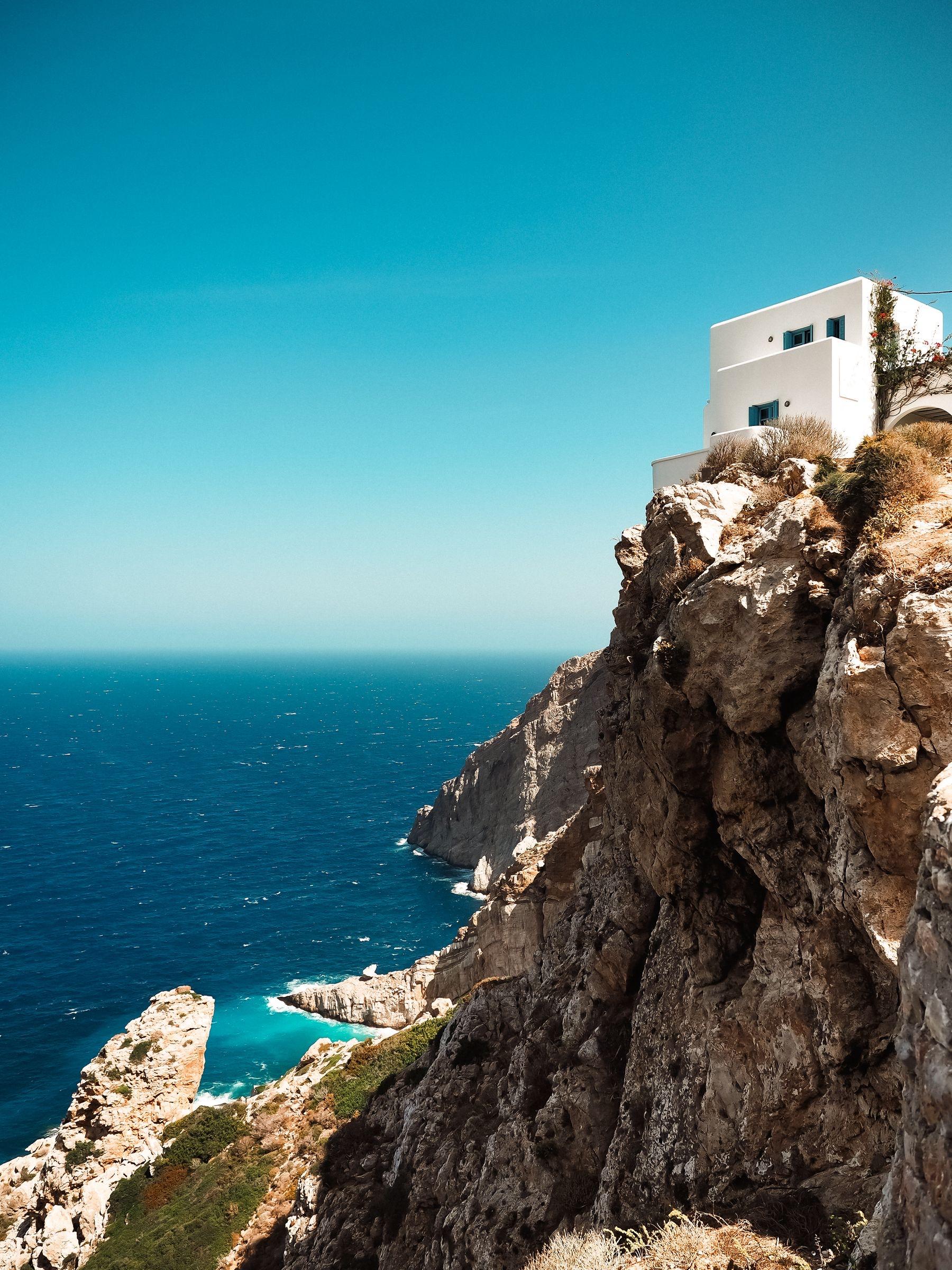 Market insight · Cross-Border Property
Where to Retire Abroad in 2026
 Market insight · Regulation
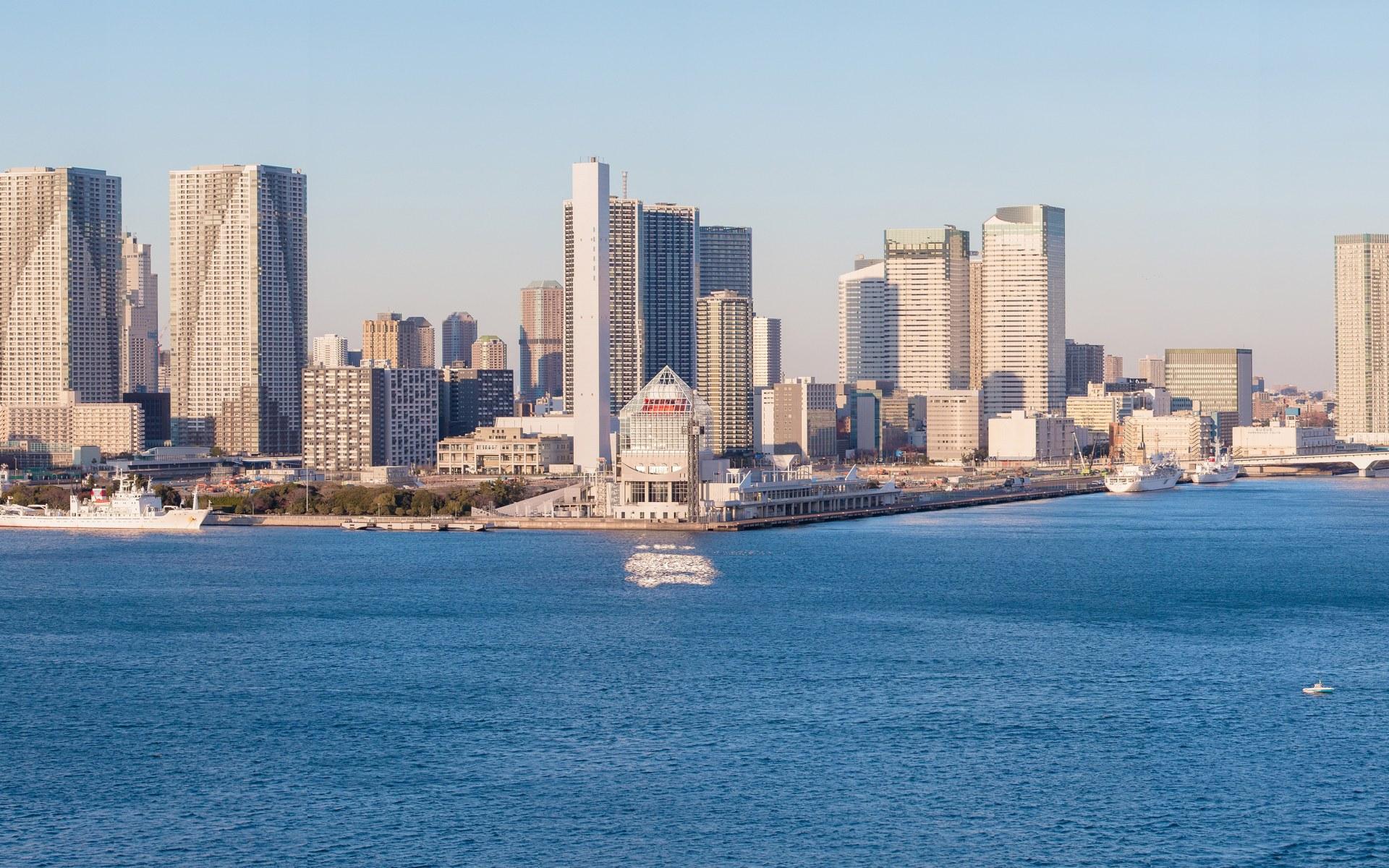
Japan Did Not Ban Foreign Buyers: The Two Rules That Took Effect in 2026, the Condo Curb That Died in June, and What 5 October Brings
 Market insight · Market Analysis
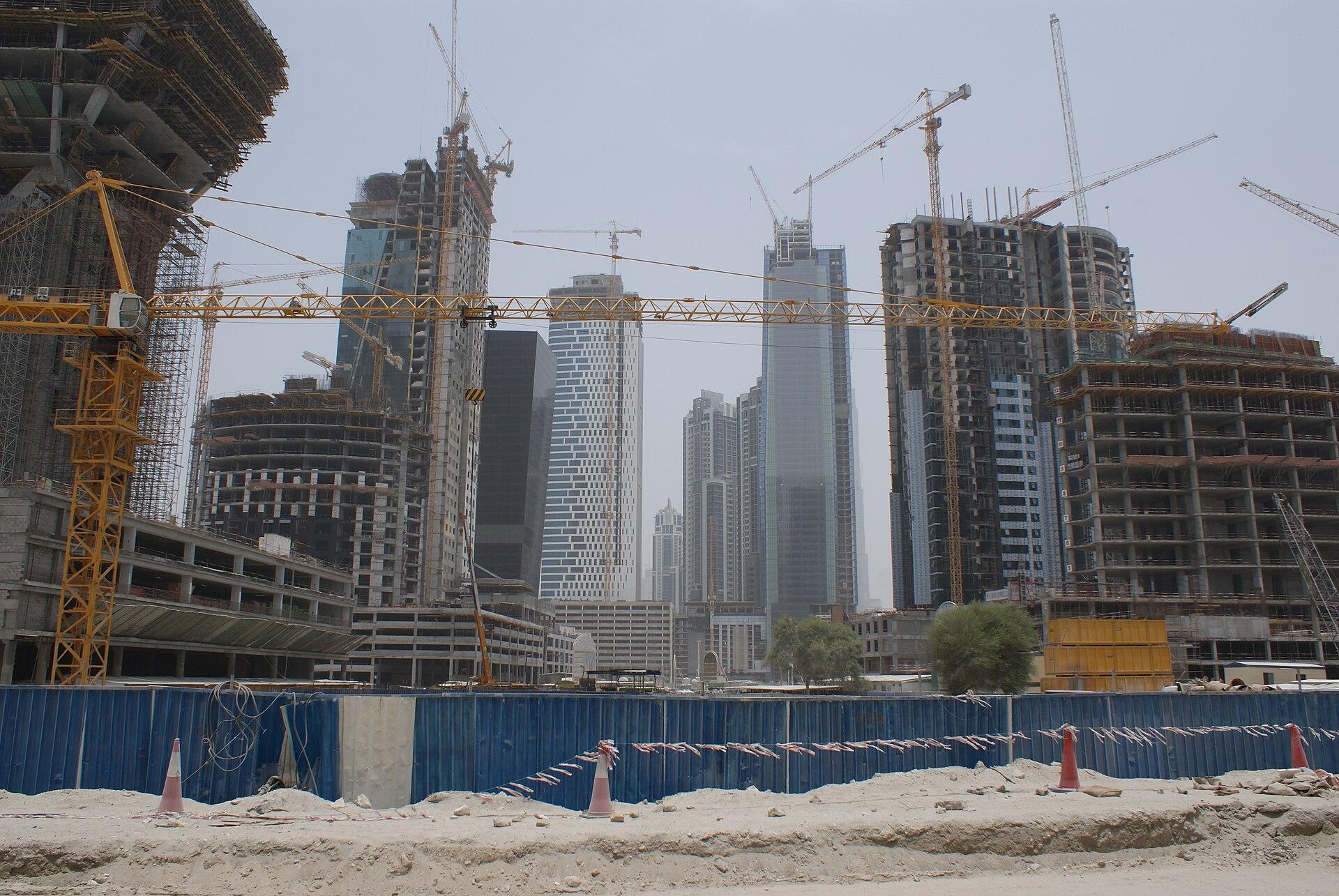
Dubai's Supply Wave: 162,500 Homes Scheduled for 2027 and Where the Off-Plan Risk Sits
 Market insight · Investment Guide
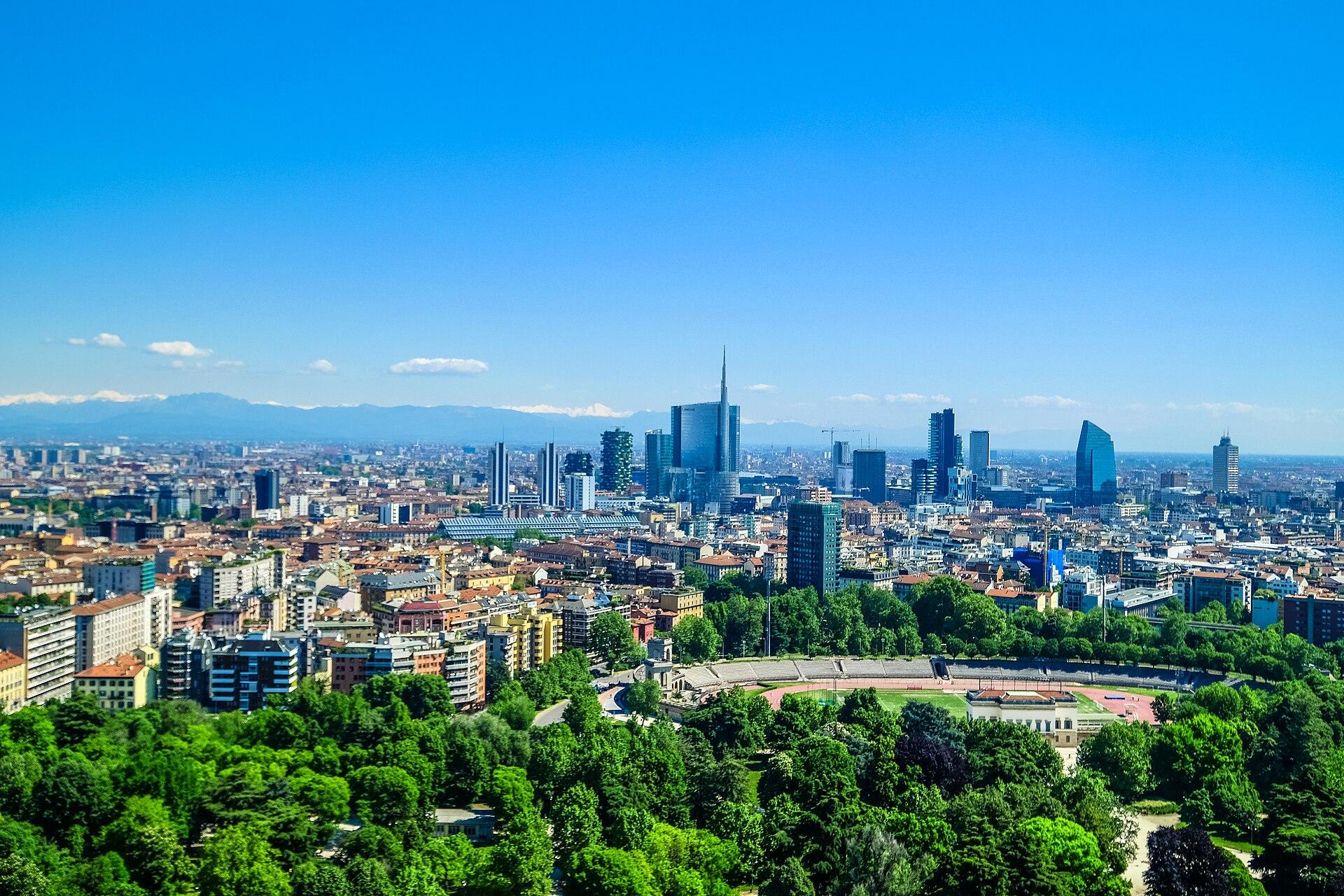
Italy's EUR 300,000 Flat Tax: Who Is Actually on It, What It Did to Prime Milan, and What a Non-Resident Pays to Buy
From the blog
View all Blog · Perspectives
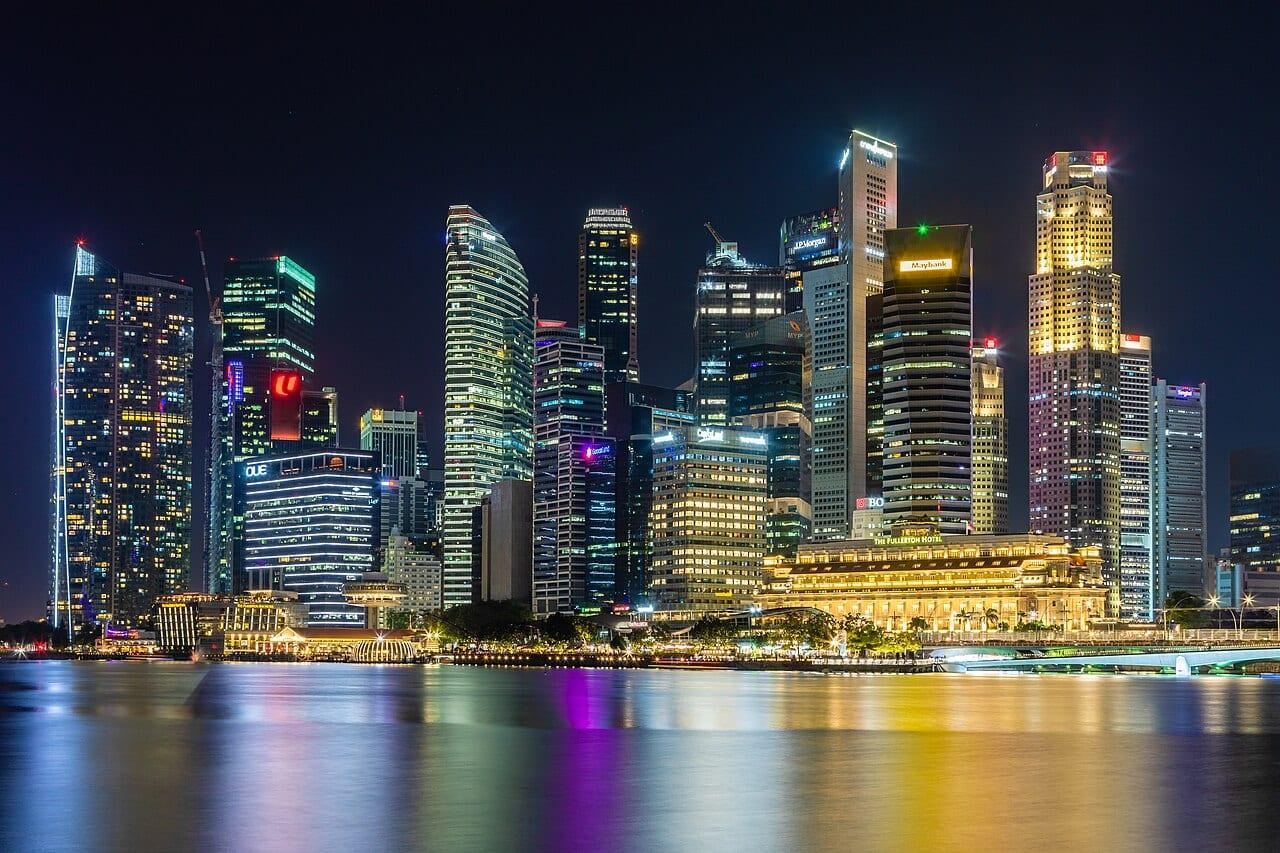
Cross-Border Property Tax Guide for Singapore, UAE, and UK-Based Investors
 Blog · Perspectives
The Cross-Border Property Due Diligence Framework: A 10-Point Standard
 Blog · Perspectives
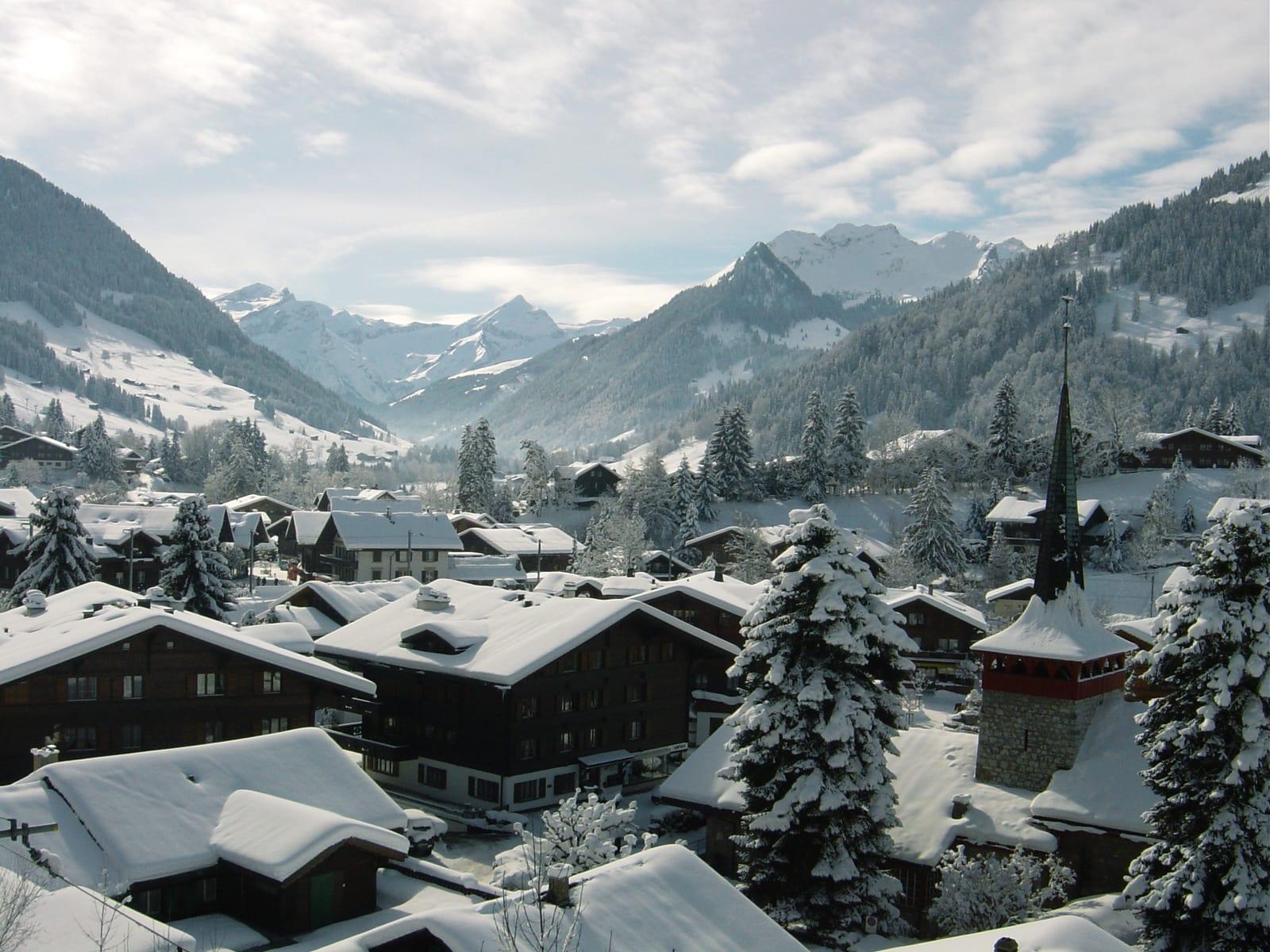
Golf, Ski, or Beachfront: Choosing Lifestyle Property That Actually Performs
 Blog · Perspectives
Buying Property Near UK and Australian Universities: A Guide for Chinese Family Investors
Subscribe to the INTRIC newsletter
Curated market intelligence, new buying guides and the listings worth knowing about, across 70+ countries.
No spam, unsubscribe any time.